Why Smart Connectivity Is the Future of LEV Fleet Management
January 30, 2026
How connected are your people, vehicles, data, and infrastructure? If you’ve never considered this before in your overall fleet management strategy, now is the time to start. After all, these connections are often what separates success from failure with LEV fleet management.
Smart connectivity brings those elements together in a way traditional fleet systems simply cannot.
Light light electric vehicle fleets have woven their way into everyday life, and the importance of LEV fleet management is growing as adoption increases.
Smart connectivity supports community engagement, aligns planning with actual usage, and helps fleet leaders respond to change with clarity rather than guesswork.
More and more, connectivity is becoming the foundation of modern fleet operations rather than an optional add-on.
While there are a number of light electric vehicle fleet management trends shaping the course of its future, today, we’ll focus primarily on smart connectivity and community engagement.
Primarily, we’ll concentrate on how connected systems influence day-to-day fleet decisions, long-term planning, and public trust.
An Intro to Community Engagement, Smart Connectivity, & light electric vehicle Fleet Management Trends
Smart connectivity links vehicles to dashboards, but that’s not where its power ends.
Beyond this critical role, smart connectivity also:
- Creates shared visibility across teams
- Supports informed conversations with stakeholders
- Helps fleets operate in ways that feel predictable and accountable
When organizations that serve the public make technological choices for smart connectivity purposes, these decisions go far beyond internal efficiency. In fact, they shape how communities experience reliability, access, and progress.
Increasingly, fleet managers are realizing that vehicles, charging infrastructure, and operational data can’t remain disconnected. Otherwise, they’re operating on abstract targets rather than real service demands.
Playing a direct role in this shift from abstract to reality is community engagement.
Specifically, residents, employees, and partners want to understand how electric fleets are used. They also want to know where charging infrastructure is placed and how decisions are made.
Connectivity supports this transparency.
With operational data at hand, fleet managers can share, explain, and act on insights that help them connect with the people they serve in more meaningful ways.
With all of this in mind, let’s take a closer look at:
- Why smart connectivity is becoming central to LEV fleet management
- How it supports community engagement
- What fleet operators should consider as electrification efforts expand across regions and service models
Community Engagement & the Connected LEV Fleet
Community trust plays a bigger role in fleet electrification than many organizations expect.
Public-facing fleets operate in full view of residents, employees, customers, and local partners. Charging access, vehicle availability, and service reliability all shape public perception.
Strong community engagement depends on three things, each of which smart connectivity supports:
- Visibility
- Communication
- Responsiveness
Connected platforms help fleet operators share more accurate information. Most notably, this includes information about vehicle usage, charging schedules, and environmental goals.
Suppose a fleet manager shares a report with residents about how charging infrastructure is used efficiently and how it helps reliably deploy vehicles.
Empowered with this information, residents will become more confident and comfortable with LEV fleets, boosting local adoption.
Community engagement also improves when feedback loops are in place.
Connected systems make it easier to collect data from drivers, facility managers, and community stakeholders.
Then, fleet managers can translate that information into planning decisions that feel informed rather than reactive.
Smart Connectivity & LEV Fleet Management Trends
Several light electric vehicle fleet management trends point in the same direction: fleets are moving away from siloed tools and toward integrated systems.
Early LEV fleets often relied on separate solutions for vehicles, chargers, energy usage, and reporting. Unsurprisingly, with that fragmentation came blind spots.
Smart connectivity brings these systems into a shared data environment where insights reflect actual conditions.
Fleet leaders now expect live visibility into vehicle state of charge, route performance, charging availability, and maintenance needs. This shift toward connected insight allows organizations to plan daily operations with fewer assumptions and fewer disruptions.
Scale also drives these trends.
For example, as fleets grow, manual oversight becomes harder to sustain. Connectivity helps replace manual checks with automated awareness.
LEV Fleet Charging Infrastructure Planning in a Connected Environment
Charging infrastructure decisions shape fleet performance for years.
A number of things can simultaneously slow adoption and frustrate drivers.
Most notably, these things include:
- Poor placement
- Limited capacityLack of coordination with vehicle schedules
LEV fleet charging infrastructure planning improves when planners rely on connected data rather than static estimates.
Thanks to smart connectivity, we can see when and where vehicles charge, how long they dwell, and how demand changes throughout the day.
With this insight, fleets can plan infrastructure that aligns with actual behavior.
Charging stations support operations instead of competing with them. Load balancing becomes easier to manage. Downtime caused by unavailable chargers becomes less common.
Connectivity also helps fleets coordinate with utilities and facility teams. In turn, this strengthens planning conversations and limits post-deployment surprises.
Fleet Electrification: Strategies & Challenges
Every fleet encounters fleet electrification strategy and challenges that go far beyond selecting vehicles. Range limits, charging availability, driver adoption, and operational changes all shape how electrification performs in practice.
Without connected systems, these challenges remain difficult to track and address consistently.
Smart connectivity supports strategy by tying goals to measurable performance.
Fleet managers can monitor how electrification affects routes, schedules, and service levels. Adjustments become data-informed rather than anecdotal.
Connectivity also improves communication at the leadership level. When challenges emerge, shared data provides context, reduces uncertainty, and keeps teams aligned around informed decisions.
LEV Fleet Management Software & Telematics
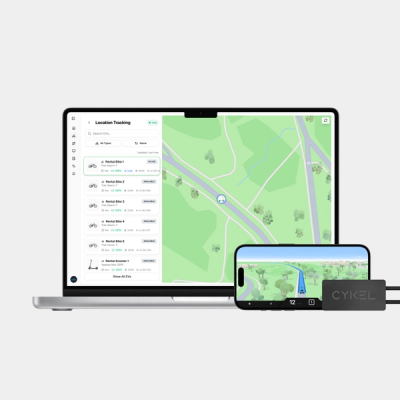
At the heart of smart connectivity sits LEV fleet management software and telematics. AKA: the tools that translate vehicle activity into usable information.
Telematics systems collect data on location, energy usage, driver behavior, and vehicle health. Then, fleet management software organizes that data into those all-powerful dashboards, alerts, and reports.
Properly integrated, these systems give fleet operators a shared view of operations.
Rather than working from conflicting reports, dispatch teams, maintenance staff, and leadership all operate based on the same information.
The result? More coordinated efforts and fewer delays caused by miscommunication or outdated data.
Smart Connectivity & Cost Optimization for LEV Fleets
Financial pressure remains a constant concern, even for organizations committed to fleet electrification.
To better manage costs, expenses can’t just be tracked after the fact. Instead, proactive steps should be taken, based on clear visibility into how vehicles, charging infrastructure, and energy usage interact across daily operations.
Cost optimization for light electric vehicle fleets improves when fleet teams can see how resources are actually used.
Smart connectivity surfaces patterns that manual tracking either cannot or does not pick up on.
For example, it might highlight:
- Which vehicles draw more power than expected
- Which chargers remain underused
- Which routes drive higher operating costs
Imagine the decision-making power this information provides. Even small changes based on connected data can lead to measurable savings over time.
Fleets can adjust scheduling, charging windows, and infrastructure placement based on what the data tells them.
For example, one 2025 review of LEV charging and grid integration found that uncoordinated charging can raise peak electricity demand by around 15%.
Behind these spikes are often short, intense, fast-charging events that are poorly aligned with fleet schedules.
That’s just one example of the real-world impact of being armed with knowledge thanks to smart connectivity.
As connected optimization becomes part of regular operations, waste decreases, and budget planning becomes more predictable.
From more confidence in forecasts to finance teams spending less time reconciling data from disconnected sources, the benefits of smart connectivity are increasingly widespread.
Connectivity also improves financial reporting.
Stakeholders can see how funds support real operational needs, which strengthens accountability and supports more productive planning discussions.
How Data-Driven Fleet Operations Support Community Engagement
Of course, data doesn’t only support operations; part of its value also lies in how it informs relationships.
For example, connected fleets can share progress toward sustainability goals with the communities they serve.
This kind of transparent reporting shows how electrification aligns with broader environmental and service commitments. In turn, you can expect stronger community engagement and greater trust.
Rather than just being told about the expected outcomes of fleet decisions, communities can actually be shown real usage patterns that demonstrate the consequences of responsible planning.
This kind of trust and transparency is particularly valuable during transitions, especially when infrastructure expansion or operational changes might affect daily services.
Connected LEV Systems Prepare You For Growth
New vehicles, routes, and charging locations will only add complexity to LEV fleets over time.
Fortunately, smart connectivity prepares organizations to manage this complexity and growth by creating systems that adapt rather than fracture.
Integrated platforms allow new assets to join existing operations without rebuilding processes from scratch.
As fleets expand, connectivity supports consistency across locations and teams.
Take Your Fleet Further with CYKEL
If you're ready to strengthen your LEV fleet strategy with systems that support both daily performance and long-term planning, connect with us to see how smart connectivity can work for your business.
Our fleet activation services focus on helping you transform existing LEVs (eBikes & eScooters) into smart, connected assets. Book a CYKEL demo to see how it’s done

Written by
CYKEL Team
January 30, 2026
Last updated: February 2, 2026